

with
Dr. Javad Sajan

Open Player
New Episode
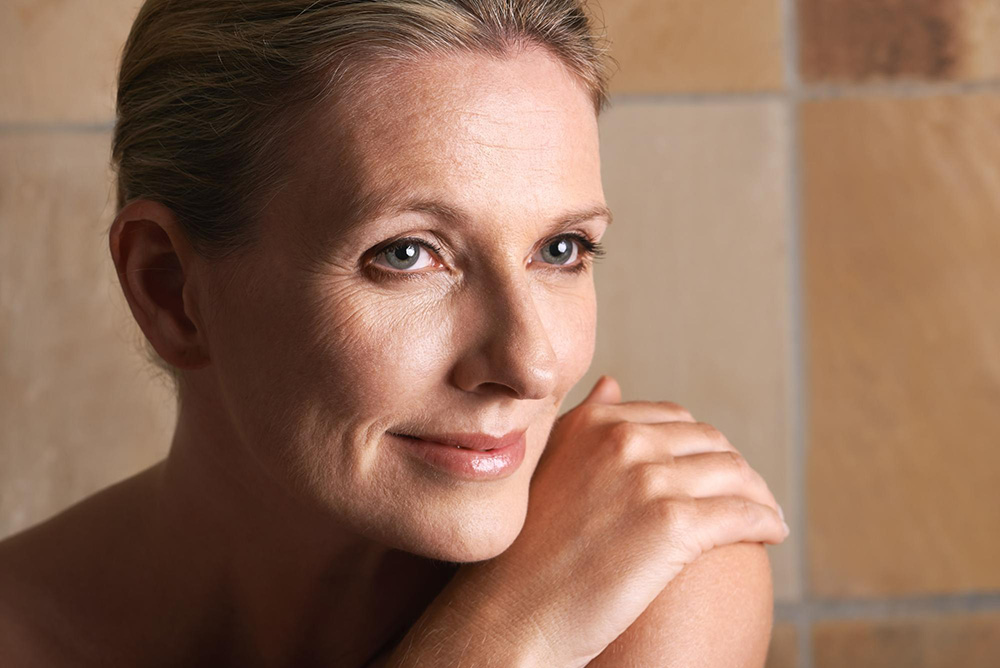
If there wereone perfect age for a facelift, plastic surgery would be much simpler. Butfacial aging does not follow the same timeline for every patient, and manysearch for the best plasticsurgery podcast for more context and clarity on such topics.
The host ofPlastic Surgeon Podcast and leading Seattle plastic surgeon, Dr. Javad Sajanexplains that the right age for a facelift is really about the right stage ofaging, not just the year on a birth certificate. Read on for Dr. Sajan’sperspective on when a facelift may be the right choice.
The best timefor facelift surgery is when facial aging becomes noticeable enough thatnon-surgical options no longer match the goal, but skin quality and overallhealth still support a strong result. For many patients, that time falls intheir late 40s through 60s. That is when jowling, neck laxity, deeper folds,and midface descent tend to become more obvious, but patients may still haveenough skin quality and tissue support to get a natural-looking improvement.But that does not mean everyone in that age group automatically needs surgeryor that younger or older patients cannot be candidates. The decision depends onthe condition of the skin, the amount of sagging, and the patient’s overallgoals.
The AmericanSociety of Plastic Surgeons makes a similar point from a broader specialtyperspective. In a 2024 article, ASPS said that while somepeople in their 30s may ask about a facelift, that is “usually too soon,”though some patients in their 40s may be appropriate depending on theiranatomy.
A betterquestion is this: Are the signs of aging botheringthe patient enough, and is surgery the right tool now?
On Episode 4of the Plastic Surgeon Podcast, “FaceliftFacts, Styles and Myths,” Dr. Sajan interviews facial plastic surgeon Dr.David Santos about facelift decision-making and outcomes. Dr. Santos explainsthat many patients come in after seeing themselves in a photo or profile viewand feeling that the reflection no longer matches how youthful they feel. Healso says they increasingly see patients in their 40s and around 50 who maystill look good but want an earlier, more refined improvement.
That is amore realistic way to think about timing. Some people wait until the neck andjawline changes feel advanced. Others come in earlier, when the changes aremilder, and a smaller lift may be enough. The decision is less about age andmore about the pattern of aging.
A faceliftconsultation usually makes more sense when several of these are true:
· The jawline looks softer orheavier than before
· Jowls are becoming harder tohide
· The neck shows laxity orbanding
· Deep folds and lower-faceheaviness remain even after fillers or skin treatments
· Photos make the patient lookolder or more tired than expected
This mattersbecause timing is not only about when to do it, but also what the patient wantsfrom it. Results may last around 7to 10 years, depending on genetics, lifestyle, and skin quality. On the podcastplastic surgery, Dr. Santos describes a facelift as “setting the clockback” rather than stopping aging. In the same episode, he says the change ispermanent in the sense that a patient will continue to look better than if theyhad never done it, even though normal aging continues.
That isprobably the most useful mindset for patients. A facelift is not about looking40 forever. It is about looking like a fresher version of the same person.
Dr. Sajanexplains that a mini facelift is meant for earlier signs of aging. It typicallyaddresses mild wrinkles, mild sagging, and early jowls. A traditional facelift,by contrast, is better suited for moderate to more advanced aging in the lowerface and neck.
This is animportant part of the discussion because many patients asking about age arereally asking which procedure may fit their current stage of aging. As per Dr.Sajan, someone with only mild laxity may not need the same surgery as someonewith more advanced skin descent and neck aging.
By the timesomeone starts thinking seriously about facelift surgery, the question usuallyis not just about age. It is also about trust. Patients want to know they arechoosing a surgeon with experience, aesthetic judgment, and a clearapproach to facial rejuvenation. That is one reason searches like “Dr. SajanSeattle Reviews” and “Dr. Sajan plastic surgery reviews”are so common.
The best agefor facelift surgery is not one number. For many people, it falls somewhere inthe 40s to 60s. For mini facelift candidates, it is often the 40s to early 50s.For some people in their 30s, it is too early. For healthy older adults, it maystill be a very reasonable option. What matters most is anatomy, skin quality,health, and goals.
And if thereis one insight that comes through from Dr. Sajan’s platform and the bestplastic surgery podcast, it is this: the right facelift should looknatural, feel personal, and happen when the patient is treating the realconcern, not just the calendar.
Contact us to talk through your concerns and see whether now is the right timefor facelift surgery.
Some patientsin their 40s may be candidates, especially if they have early jowling or skinlaxity. Others may be better suited for non-surgical treatment or a minifacelift.
A minifacelift is generally better suited for patients with early signs of aging,such as mild wrinkles and early jowls.
Fillers mayhelp with volume, but they do not remove excess skin. When the main issue issagging, jowls, or loose skin, facelift surgery may be more effective.
Many patientssearch reviews when comparing facelift surgeons, researching experience, andlooking for a provider they feel they can trust.
Many patientssearch for the best plastic surgery podcastbecause a podcast plastic surgery format canexplain procedures, recovery, and decision-making in a more detailed andrelatable way than a short article or social post.